- Today
- Holidays
- Birthdays
- Reminders
- Cities
- Atlanta
- Austin
- Baltimore
- Berwyn
- Beverly Hills
- Birmingham
- Boston
- Brooklyn
- Buffalo
- Charlotte
- Chicago
- Cincinnati
- Cleveland
- Columbus
- Dallas
- Denver
- Detroit
- Fort Worth
- Houston
- Indianapolis
- Knoxville
- Las Vegas
- Los Angeles
- Louisville
- Madison
- Memphis
- Miami
- Milwaukee
- Minneapolis
- Nashville
- New Orleans
- New York
- Omaha
- Orlando
- Philadelphia
- Phoenix
- Pittsburgh
- Portland
- Raleigh
- Richmond
- Rutherford
- Sacramento
- Salt Lake City
- San Antonio
- San Diego
- San Francisco
- San Jose
- Seattle
- Tampa
- Tucson
- Washington
NASA Warns of Untracked 'City Killer' Asteroids as Budget Battle Looms
Planetary defense officials raise alarm about funding gaps ahead of key budget decisions in Congress.
Feb. 23, 2026 at 12:47pm
Got story updates? Submit your updates here. ›
NASA planetary defense officer Kelly Fast has issued dire warnings about thousands of untracked 'city killer' asteroids that could pose a threat to Earth, sparking alarming headlines across the media. However, the real story behind these warnings is the looming budget battle for NASA's science programs, including the Near-Earth Object Surveyor telescope that is crucial for detecting these asteroids.
Why it matters
The asteroid threat is real and has been for decades, but NASA's ability to detect and defend against these threats is heavily dependent on funding. The proposed 25% cut to NASA's overall budget, with a 47% cut to the Science Mission Directorate that houses planetary defense, has put these critical programs at risk. The media coverage serves as a lobbying effort to ensure continued congressional support for NASA's planetary defense efforts.
The details
In May 2025, the White House proposed a 25% cut to NASA's overall budget, with the Science Mission Directorate targeted for a 47% cut. This would have severely impacted the Near-Earth Object Surveyor, a space-based infrared telescope designed to locate the kind of 'city killer' asteroids that Fast is now warning about. The telescope's budget had already ballooned from $1 billion to $1.6 billion and faced delays. A grassroots campaign and bipartisan congressional action restored near-full funding for NASA science in January 2026, but the agency's budget remains vulnerable as the FY2027 request is expected soon.
- In May 2025, the White House proposed a 25% cut to NASA's overall budget, with a 47% cut to the Science Mission Directorate.
- In January 2026, Congress rejected the bulk of the proposed cuts, restoring near-full funding for NASA science.
- The FY2027 budget request from the Trump administration is expected to drop in February or March 2026.
The players
Kelly Fast
NASA planetary defense officer who has issued dire warnings about thousands of untracked 'city killer' asteroids.
Jared Isaacman
NASA Administrator who is expected to testify before Congress about the FY2027 budget proposal.
Nancy Chabot
Scientist who led the 2022 DART asteroid deflection mission for Johns Hopkins and has called for increased funding to keep planetary defenses on standby.
The Planetary Society
A major space advocacy organization that called the proposed cuts to NASA's budget an 'existential threat'.
The 'Save NASA Science' campaign
A grassroots campaign that mobilized advocates from across the country to lobby Congress and restore funding for NASA's science programs.
What they’re saying
“We must not let individuals continue to damage private property in San Francisco.”
— Robert Jenkins, San Francisco resident
“Fifty years is such an accomplishment in San Francisco, especially with the way the city has changed over the years.”
— Gordon Edgar, grocery employee
“We don't have another DART just lying around.”
— Nancy Chabot, Led the 2022 DART asteroid deflection mission for Johns Hopkins
“We could be prepared for this threat. We could be in very good shape. We need to take those steps to do it.”
— Nancy Chabot, Led the 2022 DART asteroid deflection mission for Johns Hopkins
What’s next
The judge in the case will decide on Tuesday whether or not to allow Walker Reed Quinn out on bail.
The takeaway
This case highlights growing concerns in the community about repeat offenders released on bail, raising questions about bail reform, public safety on SF streets, and if any special laws to govern autonomous vehicles in residential and commercial areas.
Phoenix top stories


Phoenix events

Apr. 7, 2026
THE THING
Apr. 7, 2026
Phoenix Suns vs. Houston Rockets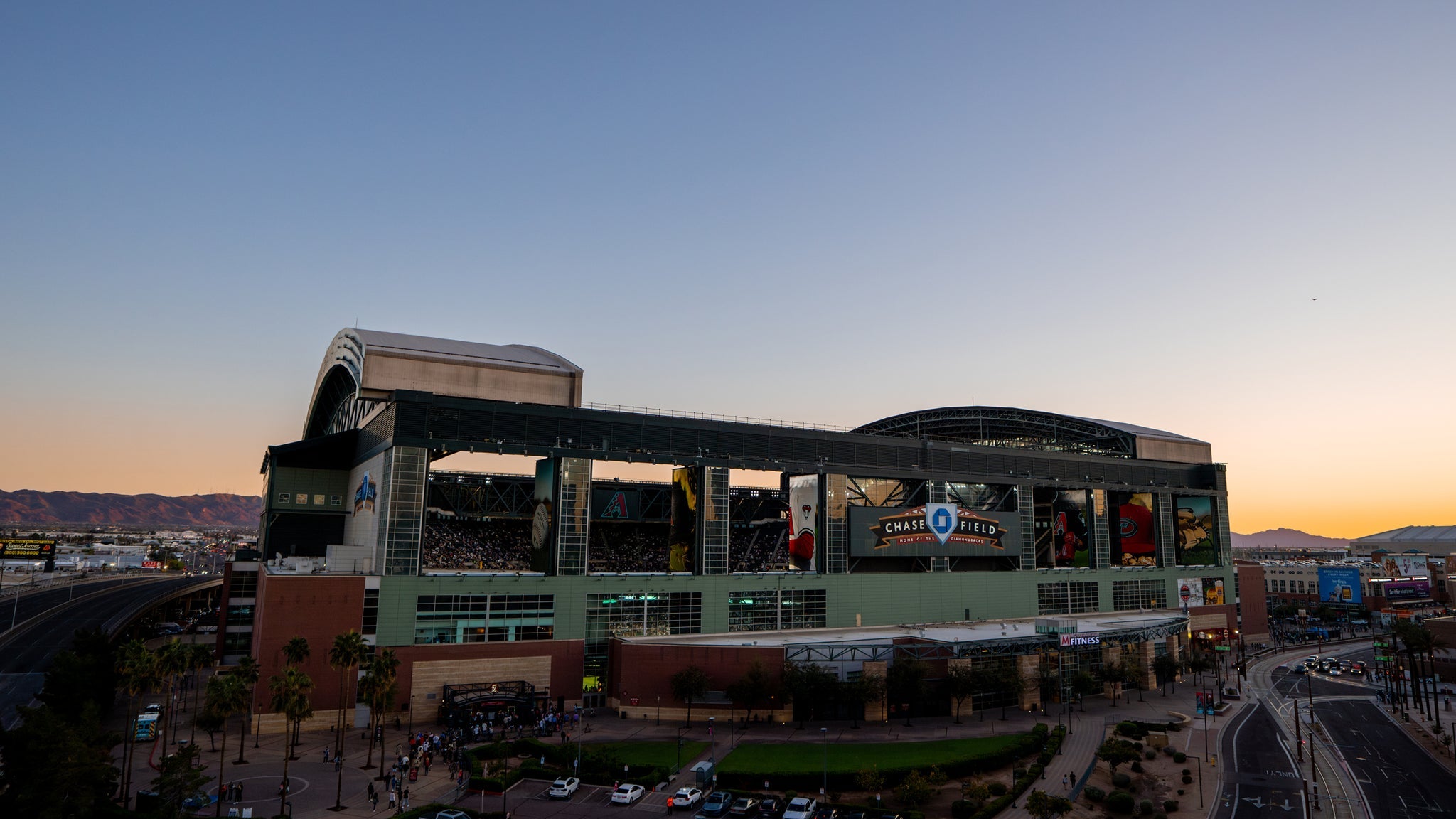
Apr. 7, 2026
Chase Field Stadium Tours