- Today
- Holidays
- Birthdays
- Reminders
- Cities
- Atlanta
- Austin
- Baltimore
- Berwyn
- Beverly Hills
- Birmingham
- Boston
- Brooklyn
- Buffalo
- Charlotte
- Chicago
- Cincinnati
- Cleveland
- Columbus
- Dallas
- Denver
- Detroit
- Fort Worth
- Houston
- Indianapolis
- Knoxville
- Las Vegas
- Los Angeles
- Louisville
- Madison
- Memphis
- Miami
- Milwaukee
- Minneapolis
- Nashville
- New Orleans
- New York
- Omaha
- Orlando
- Philadelphia
- Phoenix
- Pittsburgh
- Portland
- Raleigh
- Richmond
- Rutherford
- Sacramento
- Salt Lake City
- San Antonio
- San Diego
- San Francisco
- San Jose
- Seattle
- Tampa
- Tucson
- Washington
Spilled Load Shuts Down I-10 East at 99th Ave in Phoenix
Eastbound lanes closed for cleanup, causing significant delays for commuters.
Feb. 9, 2026 at 8:23pm
Got story updates? Submit your updates here. ›
A spilled load on Interstate 10 eastbound near the 99th Avenue interchange in west Phoenix has forced the closure of all eastbound lanes, triggering major traffic delays in the area. The Arizona Department of Transportation reported the incident around 5:40 p.m. on Monday, and cleanup crews have been dispatched to remove the debris, but there is no estimated time for the lanes to reopen.
Why it matters
This stretch of I-10 is a heavily traveled commuter route, particularly during the evening rush hour, serving drivers traveling between the West Valley and downtown Phoenix. The closure is expected to cause significant delays and congestion for many workers and students making their way home from Glendale, Tolleson, and other employment centers.
The details
According to ADOT, the eastbound lanes of I-10 were shut down at the 99th Avenue interchange after a spilled load left debris across the roadway. Cleanup crews have been dispatched, but there is no estimated time for the lanes to reopen. Westbound lanes of I-10 remain open, but traffic congestion is reported extending several miles west of the closure as drivers are diverted off the interstate.
- The incident was reported around 5:40 p.m. on Monday, February 10, 2026.
The players
Arizona Department of Transportation
The state agency responsible for managing and maintaining Arizona's transportation infrastructure, including Interstate 10.
What’s next
ADOT has not provided an estimated time for when the eastbound lanes of I-10 will reopen, but they are advising drivers to expect extended delays and to use alternate routes while the cleanup is underway.
The takeaway
This incident highlights the significant impact that a spilled load or other incident can have on a major commuter route like I-10 in Phoenix, underscoring the importance of maintaining the reliability and safety of the region's transportation infrastructure to support the daily travel needs of workers, students, and other residents.
Phoenix top stories



Phoenix events

Apr. 7, 2026
THE THING
Apr. 7, 2026
Phoenix Suns vs. Houston Rockets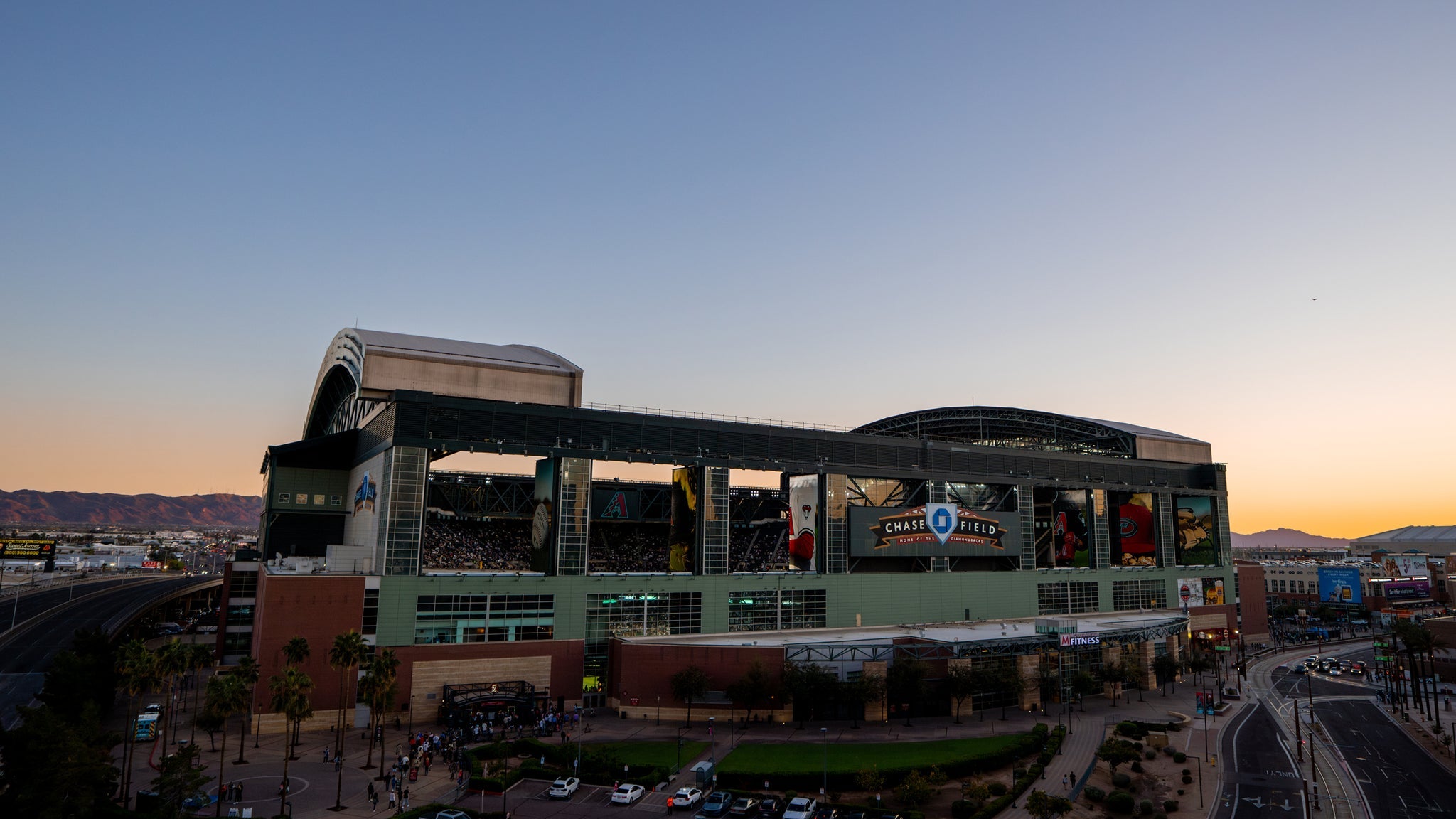
Apr. 7, 2026
Chase Field Stadium Tours