- Today
- Holidays
- Birthdays
- Reminders
- Cities
- Atlanta
- Austin
- Baltimore
- Berwyn
- Beverly Hills
- Birmingham
- Boston
- Brooklyn
- Buffalo
- Charlotte
- Chicago
- Cincinnati
- Cleveland
- Columbus
- Dallas
- Denver
- Detroit
- Fort Worth
- Houston
- Indianapolis
- Knoxville
- Las Vegas
- Los Angeles
- Louisville
- Madison
- Memphis
- Miami
- Milwaukee
- Minneapolis
- Nashville
- New Orleans
- New York
- Omaha
- Orlando
- Philadelphia
- Phoenix
- Pittsburgh
- Portland
- Raleigh
- Richmond
- Rutherford
- Sacramento
- Salt Lake City
- San Antonio
- San Diego
- San Francisco
- San Jose
- Seattle
- Tampa
- Tucson
- Washington
Trump Lashes Out At Justices After Supreme Court Blocks Tariff Plan
The former president quickly moved to a new legal route for a worldwide 10 percent tariff after the court ruled his emergency tariff strategy was unlawful.
Published on Feb. 22, 2026
Got story updates? Submit your updates here. ›
In a 6-3 ruling, the Supreme Court said Donald Trump's use of the International Emergency Economic Powers Act to impose sweeping tariffs was unlawful. Trump responded by attacking the justices, branding six of them as "fools and lapdogs", and quickly signed an executive order imposing a new 10% tariff on imports from around the world under a different trade law.
Why it matters
The Supreme Court's decision is seen as a check on presidential power, reaffirming the separation of powers between the executive and legislative branches. However, Trump's swift move to impose new tariffs using a different legal authority highlights the ongoing tensions over trade policy and the extent of the president's authority.
The details
The Supreme Court ruled that the International Emergency Economic Powers Act (IEEPA) does not authorize a president to impose sweeping tariffs, as Trump had done on imports from Canada, Mexico, and China. Chief Justice John Roberts, writing for the 6-3 majority, said the president must point to clear congressional authorization for such tariffs. Trump responded by lashing out at the justices, including two he appointed, calling them "fools and lapdogs." Within hours, he signed an executive order imposing a new 10% tariff on imports from around the world, citing a different trade law, Section 122 of the Trade Act of 1974.
- On February 22, 2026, the Supreme Court issued its 6-3 ruling against Trump's use of IEEPA for tariffs.
- Immediately after the ruling, Trump held a press conference where he attacked the justices in the majority.
- Later that same day, Trump signed an executive order imposing a new 10% tariff on imports worldwide under a different trade law.
The players
Donald Trump
The former president who imposed sweeping tariffs and then lashed out at the Supreme Court justices who ruled against him.
John Roberts
The Chief Justice who wrote the 6-3 majority opinion ruling that Trump's use of IEEPA to impose tariffs was unlawful.
Neil Gorsuch
A Supreme Court justice appointed by Trump who was part of the 6-3 majority ruling against the former president's tariff strategy.
Amy Coney Barrett
A Supreme Court justice appointed by Trump who was part of the 6-3 majority ruling against the former president's tariff strategy.
Sarah Huckabee Sanders
The governor of Arkansas who criticized the Supreme Court's decision and argued Trump has "so many tools in his toolbox" to pursue his trade agenda.
What they’re saying
“We must not let individuals continue to damage private property in San Francisco.”
— Robert Jenkins, San Francisco resident (San Francisco Chronicle)
“Fifty years is such an accomplishment in San Francisco, especially with the way the city has changed over the years.”
— Gordon Edgar, grocery employee (Instagram)
What’s next
The judge in the case will decide on Tuesday whether or not to allow Walker Reed Quinn out on bail.
The takeaway
This case highlights growing concerns in the community about repeat offenders released on bail, raising questions about bail reform, public safety on SF streets, and if any special laws to govern autonomous vehicles in residential and commercial areas.
Little Rock top stories

Little Rock events
Mar. 12, 2026
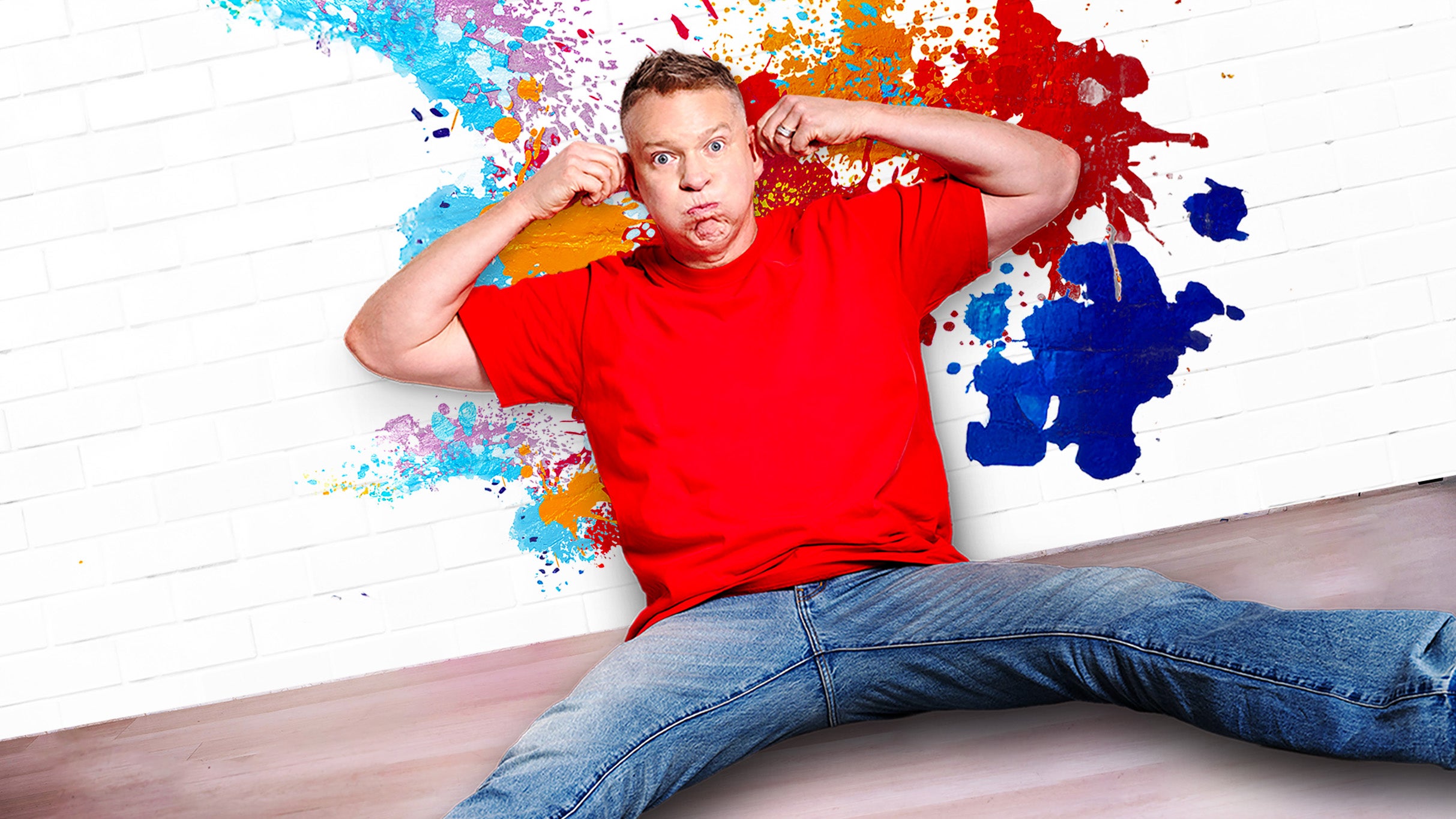
Gary Owen: No Hard Feelings Tour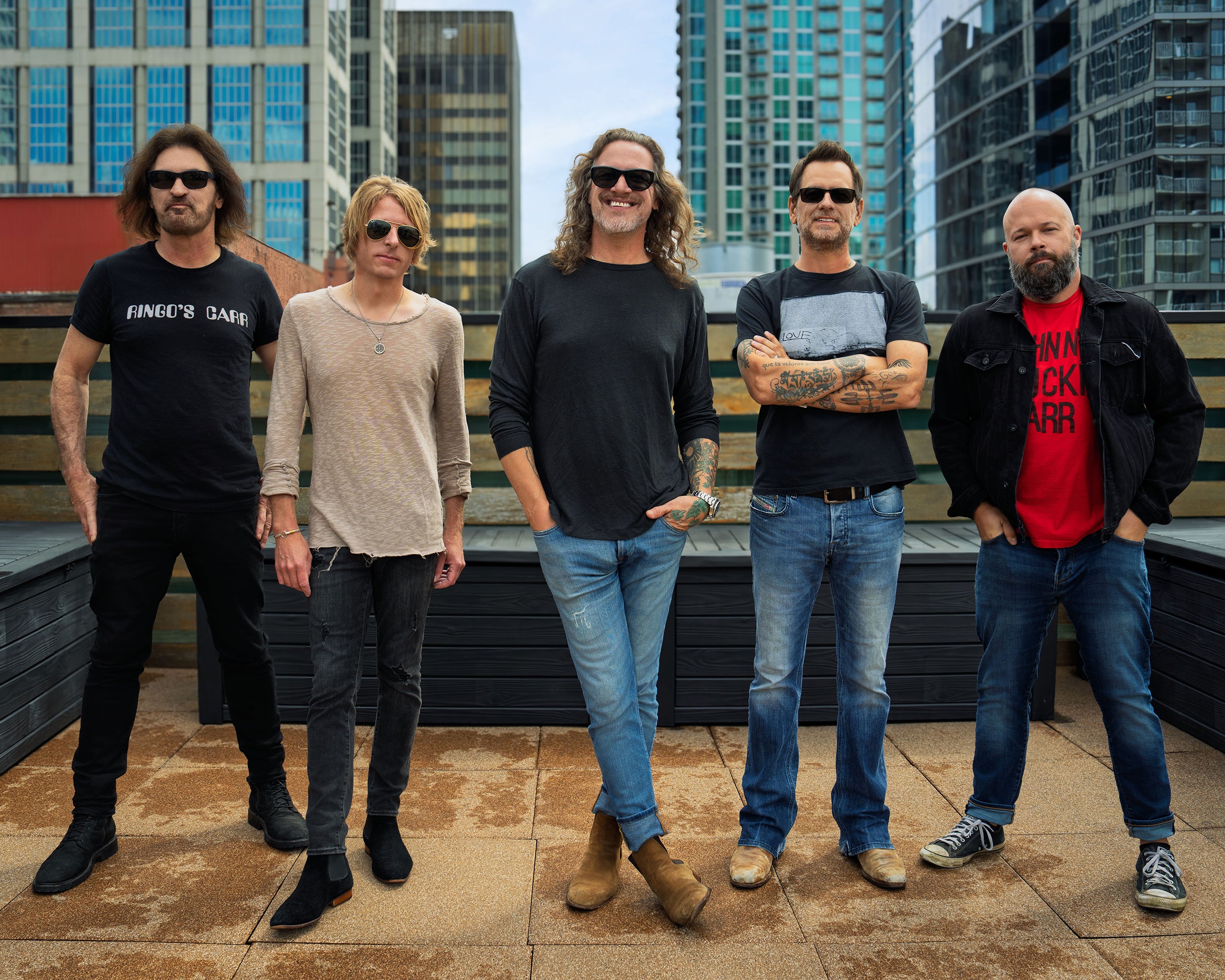
Mar. 15, 2026
Candlebox - Can't Quit You Tour 2026