- Today
- Holidays
- Birthdays
- Reminders
- Cities
- Atlanta
- Austin
- Baltimore
- Berwyn
- Beverly Hills
- Birmingham
- Boston
- Brooklyn
- Buffalo
- Charlotte
- Chicago
- Cincinnati
- Cleveland
- Columbus
- Dallas
- Denver
- Detroit
- Fort Worth
- Houston
- Indianapolis
- Knoxville
- Las Vegas
- Los Angeles
- Louisville
- Madison
- Memphis
- Miami
- Milwaukee
- Minneapolis
- Nashville
- New Orleans
- New York
- Omaha
- Orlando
- Philadelphia
- Phoenix
- Pittsburgh
- Portland
- Raleigh
- Richmond
- Rutherford
- Sacramento
- Salt Lake City
- San Antonio
- San Diego
- San Francisco
- San Jose
- Seattle
- Tampa
- Tucson
- Washington
G League to SEC? The Ridiculous Legal Battle Over College Basketball Eligibility
A former college star's return to the amateur ranks sparks debate over NCAA eligibility rules.
Apr. 11, 2026 at 12:23pm
Got story updates? Submit your updates here. ›
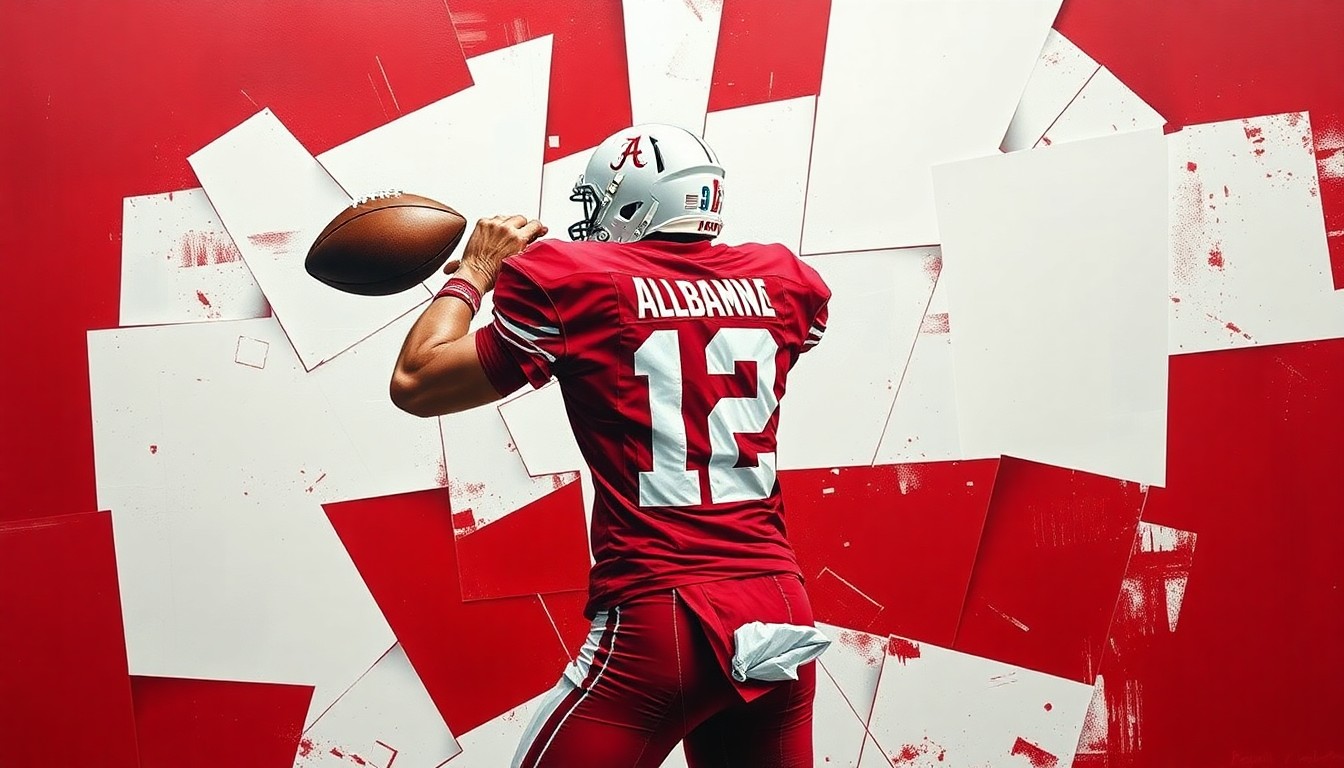
 A cubist interpretation of the legal battle over NCAA eligibility rules, as professional players seek to return to the college game.Tuscaloosa Today
The NCAA is facing a crisis as professional basketball players, like former University of Alabama player Charles Bediako, are finding legal loopholes to return to the college ranks after playing in the G League. This controversial decision has sparked debates about the legality and fairness of such rulings, with the NCAA struggling to maintain control over eligibility decisions.
Why it matters
The NCAA's inability to protect its authority to determine eligibility is leading to a comical cascade of bizarre scenarios, raising concerns about the integrity of college sports. Without a clear federal eligibility bill, savvy lawyers and local judges are making decisions that impact the entire college athletics landscape.
The details
Charles Bediako, a former University of Alabama player, recently suited up for the G League's Motor City Cruise and dominated. However, he then quit the G League, returned to Alabama, and is now eligible to play for the Crimson Tide again. This move was granted by a local circuit court judge in Tuscaloosa County, Alabama, despite the NCAA rules clearly prohibiting such a decision. A similar case with Baylor and NBA draft pick James Nnaji has also been highlighted, but the distinction is that Nnaji never played college hoops before turning pro, while Bediako played for Alabama for two seasons.
- On April 8, 2026, Charles Bediako played for the G League's Motor City Cruise.
- On April 9, 2026, Bediako quit the G League and returned to the University of Alabama.
- On April 10, 2026, a local circuit court judge in Tuscaloosa County, Alabama, granted Bediako a 10-day restraining order, allowing him to play for Alabama against Tennessee.
The players
Charles Bediako
A 7-foot former University of Alabama basketball player who played in the G League and then returned to the Crimson Tide roster.
James Nnaji
A Baylor basketball player who was drafted by the NBA and never played college hoops before turning pro.
NCAA
The National Collegiate Athletic Association, the governing body for college sports in the United States.
Tuscaloosa County Circuit Court
The local court in Tuscaloosa, Alabama, that granted Charles Bediako a 10-day restraining order to play for the University of Alabama.
What they’re saying
“Determining eligibility should be rooted in common sense and principles. While Bediako's story is intriguing, it raises concerns about the integrity of college sports.”
— Dan Wetzel, Author
What’s next
The NCAA must act swiftly to prevent further erosion of its authority by pursuing a simple federal eligibility bill to shield itself from constant legal challenges. Without such action, the future of college sports could be filled with even more outrageous eligibility scenarios.
The takeaway
The NCAA's inability to protect its right to determine eligibility has led to a comical cascade of bizarre scenarios, raising serious concerns about the integrity of college sports. The organization must act quickly to regain control over eligibility decisions and prevent further erosion of its authority, or risk the future of college athletics being shaped by savvy lawyers and local judges rather than common sense and principles.