- Today
- Holidays
- Birthdays
- Reminders
- Cities
- Atlanta
- Austin
- Baltimore
- Berwyn
- Beverly Hills
- Birmingham
- Boston
- Brooklyn
- Buffalo
- Charlotte
- Chicago
- Cincinnati
- Cleveland
- Columbus
- Dallas
- Denver
- Detroit
- Fort Worth
- Houston
- Indianapolis
- Knoxville
- Las Vegas
- Los Angeles
- Louisville
- Madison
- Memphis
- Miami
- Milwaukee
- Minneapolis
- Nashville
- New Orleans
- New York
- Omaha
- Orlando
- Philadelphia
- Phoenix
- Pittsburgh
- Portland
- Raleigh
- Richmond
- Rutherford
- Sacramento
- Salt Lake City
- San Antonio
- San Diego
- San Francisco
- San Jose
- Seattle
- Tampa
- Tucson
- Washington
Talladega Today
By the People, for the People
NASCAR Revamps Talladega Race to Curb Fuel Saving
New stage lengths aim to create more exciting racing and limit fuel-saving strategies.
Apr. 8, 2026 at 12:33am
Got story updates? Submit your updates here. ›
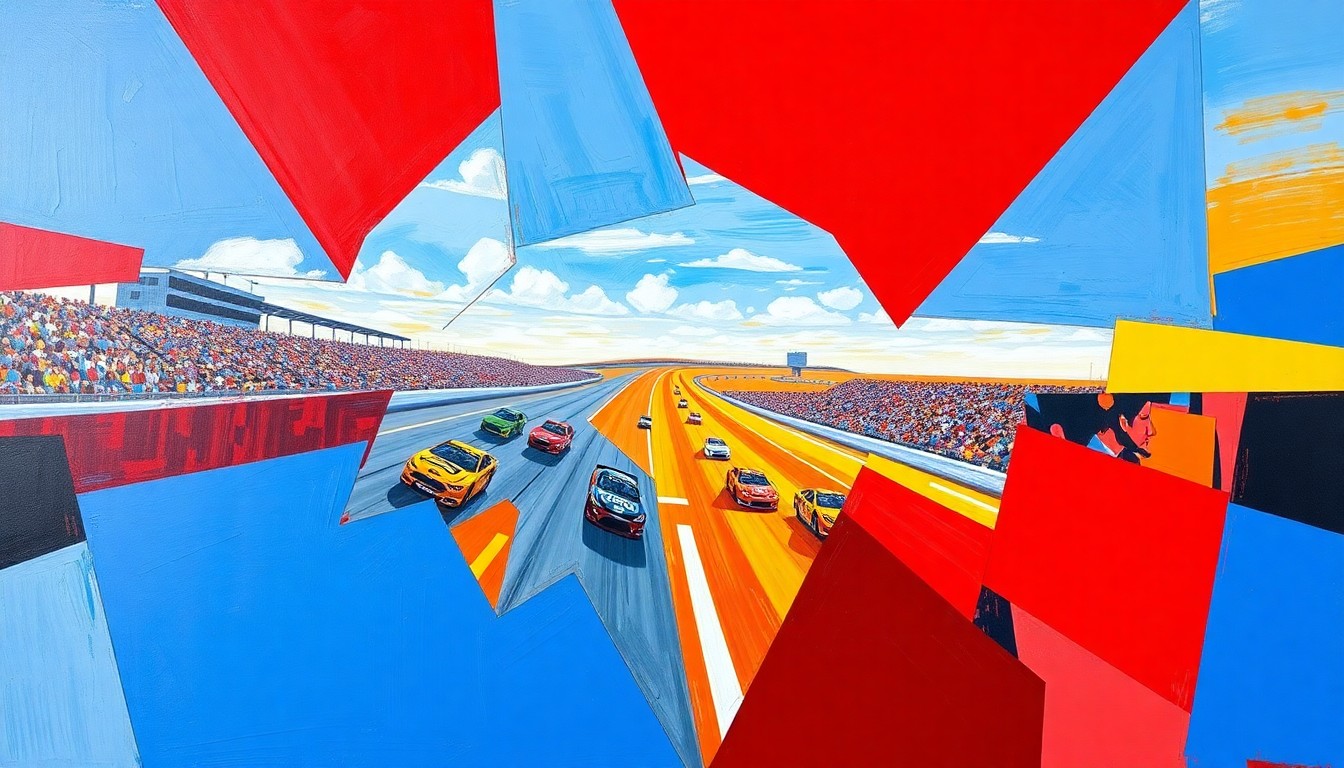 NASCAR's format changes at Talladega aim to disrupt fuel-saving tactics and deliver more thrilling, unpredictable racing for fans.Talladega Today
NASCAR has announced changes to the upcoming race at Talladega Superspeedway in an effort to combat fuel-saving strategies that have frustrated fans. The governing body is flipping the stage lengths, making the final two stages shorter to discourage teams from trying to stretch fuel mileage. NASCAR is also considering additional technical changes to the cars for future races to further address the issue.
Why it matters
Fuel saving has become an increasingly common tactic in NASCAR, with teams optimizing their strategies to stretch fuel mileage rather than racing flat-out. This has led to complaints from fans who want to see more exciting, flat-out racing. The changes at Talladega are the first step in NASCAR's efforts to address this problem and provide a more compelling on-track product.
The details
NASCAR EVP John Probst explained that the stage lengths at Talladega will be flipped, with the final two stages being shorter in duration. This is intended to make it difficult for teams to complete the race without a fuel stop, forcing them to race more aggressively. Probst also said NASCAR is planning a test session at Daytona in January to experiment with other technical changes to the cars, such as adjusting power levels and spoilers, in an effort to further reduce the incentive for fuel saving.
- The changes will be implemented at the upcoming race at Talladega Superspeedway.
- NASCAR is planning a test session at Daytona in January 2027 to evaluate additional technical changes to the cars.
The players
John Probst
NASCAR Executive Vice President who discussed the changes on the Hauler Talk podcast.
NASCAR
The governing body of the stock car racing series that is implementing the changes to the Talladega race and planning further tests to address fuel-saving strategies.
What they’re saying
“If you look at generally how a lot of our speedways were laid out it was a short stage, a short stage and then a long stage to the end. Going into Talladega, we're going to flip that and adjust the lengths of the final two stages such that we're confident that the last two stages are short enough to be made without a fuel stop.”
— John Probst, NASCAR Executive Vice President
“I think that coming out of Daytona we have been working hand-in-hand with a lot of our race teams trying to largely break into two categories things we could do. One are sporting related things, things like rules around pit stops or stage lengths or things of that nature. The other being in a technical bucket, which would mean car changes: spoiler, power level, things of that nature.”
— John Probst, NASCAR Executive Vice President
What’s next
NASCAR is planning a test session at Daytona in January 2027 to evaluate additional technical changes to the cars that could further reduce the incentive for fuel-saving strategies.
The takeaway
NASCAR's changes to the Talladega race format and plans for future technical adjustments demonstrate the sanctioning body's commitment to addressing fan frustration over fuel-saving tactics and providing a more exciting on-track product. These efforts aim to shift the focus back to flat-out racing rather than optimizing fuel mileage.