- Today
- Holidays
- Birthdays
- Reminders
- Cities
- Atlanta
- Austin
- Baltimore
- Berwyn
- Beverly Hills
- Birmingham
- Boston
- Brooklyn
- Buffalo
- Charlotte
- Chicago
- Cincinnati
- Cleveland
- Columbus
- Dallas
- Denver
- Detroit
- Fort Worth
- Houston
- Indianapolis
- Knoxville
- Las Vegas
- Los Angeles
- Louisville
- Madison
- Memphis
- Miami
- Milwaukee
- Minneapolis
- Nashville
- New Orleans
- New York
- Omaha
- Orlando
- Philadelphia
- Phoenix
- Pittsburgh
- Portland
- Raleigh
- Richmond
- Rutherford
- Sacramento
- Salt Lake City
- San Antonio
- San Diego
- San Francisco
- San Jose
- Seattle
- Tampa
- Tucson
- Washington
Bream Bonanza: Fly Fishing for Sunfish Spawns Exciting Spring Action
As waters warm, anglers can target bedding bluegill and redear sunfish with topwater flies for thrilling spring fishing.
Apr. 12, 2026 at 5:26pm
Got story updates? Submit your updates here. ›
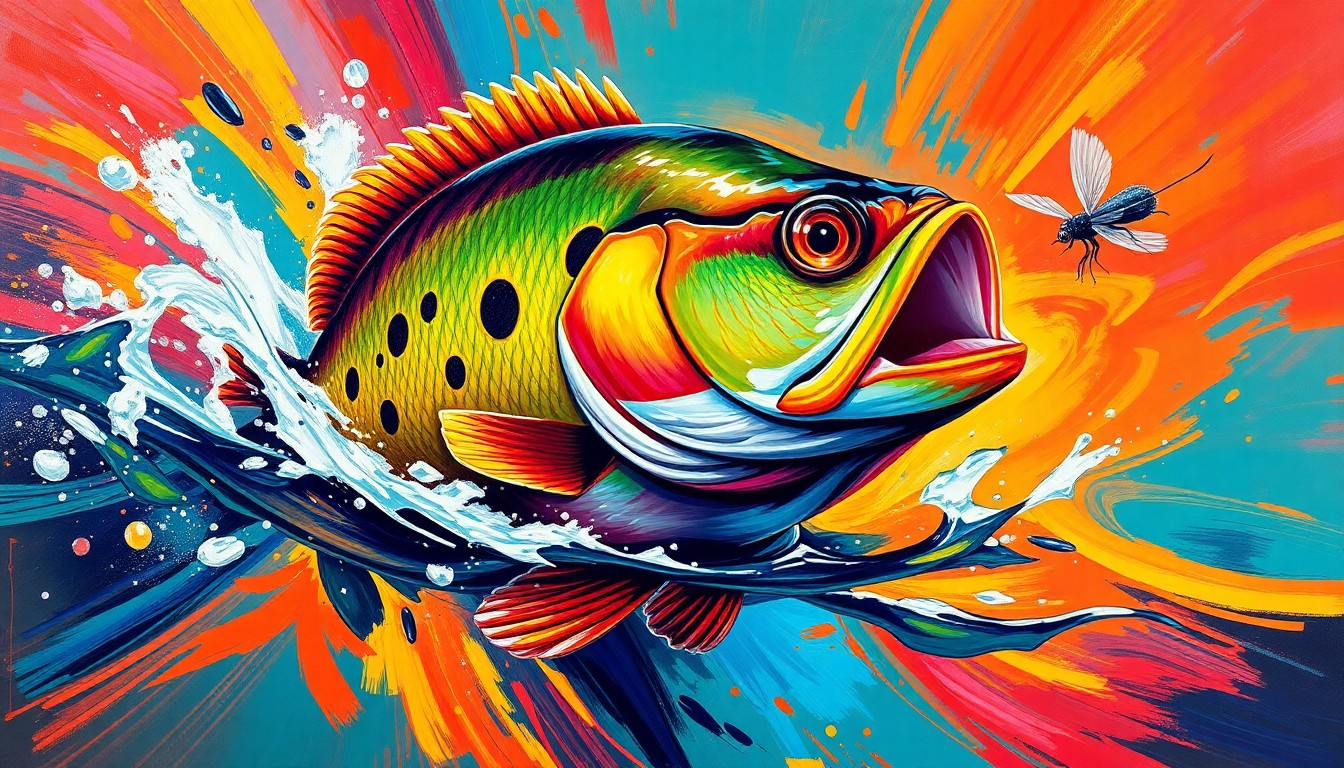 Fly anglers can enjoy thrilling surface strikes and hard-fighting bream during the spring spawning season.Mobile Today
As waters warm in the spring, various sunfish species like bluegill and redear sunfish (also called shellcrackers) begin their spawning rituals, providing excellent opportunities for fly anglers to target these feisty fish. Bluegill and redear sunfish spawn when water temperatures reach around 75-80 degrees, with redear sunfish typically starting a bit earlier in March and April. Anglers can locate their bedding areas by looking for dark depressions in shallow, weedy waters and can often smell the distinct watermelon-like scent given off by the spawning fish. Using ultralight fly tackle and topwater bugs that mimic insects, fly fishermen can enjoy exciting surface strikes and hard-fighting bream.
Why it matters
Bream like bluegill and redear sunfish are popular targets for recreational anglers across the Southeast, providing excellent table fare and thrilling fights on light tackle. The spring spawning season offers one of the best times of year to target these species, as they become highly aggressive in defending their nests and will readily strike at surface lures and flies. Understanding the spawning behavior and habitat preferences of bream can help anglers locate and effectively fish for them during this prime season.
The details
Redear sunfish, also called shellcrackers, typically start spawning when water temperatures reach around 75 degrees, usually in March and April. Bluegill then begin their spawning period in late April or May, with females capable of spawning multiple times through the summer and early fall. Bream create dish-shaped depressions in shallow, weedy areas with sandy or gravel bottoms to serve as their nesting beds. Anglers can often locate these beds by sight or by detecting the distinct watermelon-like scent given off by the spawning fish. Fly anglers can target these bedding areas using small topwater bugs and poppers that imitate insects, taking advantage of the bream's aggressive defense of their nests.
- Redear sunfish typically begin spawning in March and April when water temperatures reach around 75 degrees.
- Bluegill start spawning in late April or May when water temps reach 75-80 degrees, and can spawn multiple times through the summer and early fall.
The players
Tommy Purcell
An Alabama Wildlife and Freshwater Fisheries Division fisheries biologist in Spanish Fort.
Phil Ekema
A state fisheries biologist in Tanner.
What they’re saying
“'Redear sunfish spawn a little earlier than other bream species, usually in March and April. Bluegill typically begin spawning in late April or May. Bluegill will reproduce throughout the late spring, summer, and even early fall when conditions are right, but the full and new moons during the summer usually get bluegill fired up.'”
— Tommy Purcell, Alabama Wildlife and Freshwater Fisheries Division fisheries biologist
“'Bream are community spawners, so there might be up to 100 fish spawning in the same vicinity. People who find a good bed can catch a bunch of fish off of it.'”
— Phil Ekema, state fisheries biologist
What’s next
As the spring spawning season progresses, anglers should monitor water temperatures and look for signs of active bedding areas to target bream with topwater flies and lures. Successful anglers will need to experiment with different bug and popper patterns to match the prevalent hatch or forage in a given area.
The takeaway
The spring spawning season offers an excellent opportunity for fly anglers to target aggressive, bedding bream like bluegill and redear sunfish. By understanding their spawning behavior and habitat preferences, anglers can locate and effectively fish these productive beds for exciting surface action and delicious table fare.
Mobile top stories


Mobile events


Apr. 15, 2026
Crescent Comedy Open Mic
Apr. 16, 2026
Micah Tyler Live in Concert - Mobile, AL