- Today
- Holidays
- Birthdays
- Reminders
- Cities
- Atlanta
- Austin
- Baltimore
- Berwyn
- Beverly Hills
- Birmingham
- Boston
- Brooklyn
- Buffalo
- Charlotte
- Chicago
- Cincinnati
- Cleveland
- Columbus
- Dallas
- Denver
- Detroit
- Fort Worth
- Houston
- Indianapolis
- Knoxville
- Las Vegas
- Los Angeles
- Louisville
- Madison
- Memphis
- Miami
- Milwaukee
- Minneapolis
- Nashville
- New Orleans
- New York
- Omaha
- Orlando
- Philadelphia
- Phoenix
- Pittsburgh
- Portland
- Raleigh
- Richmond
- Rutherford
- Sacramento
- Salt Lake City
- San Antonio
- San Diego
- San Francisco
- San Jose
- Seattle
- Tampa
- Tucson
- Washington
Business Leaders Step Up as Democracy's Guardians
America's CEOs take on expanded roles as advocates, diplomats, community stewards, and truth-tellers amid institutional failures.
Apr. 6, 2026 at 4:51pm
Got story updates? Submit your updates here. ›
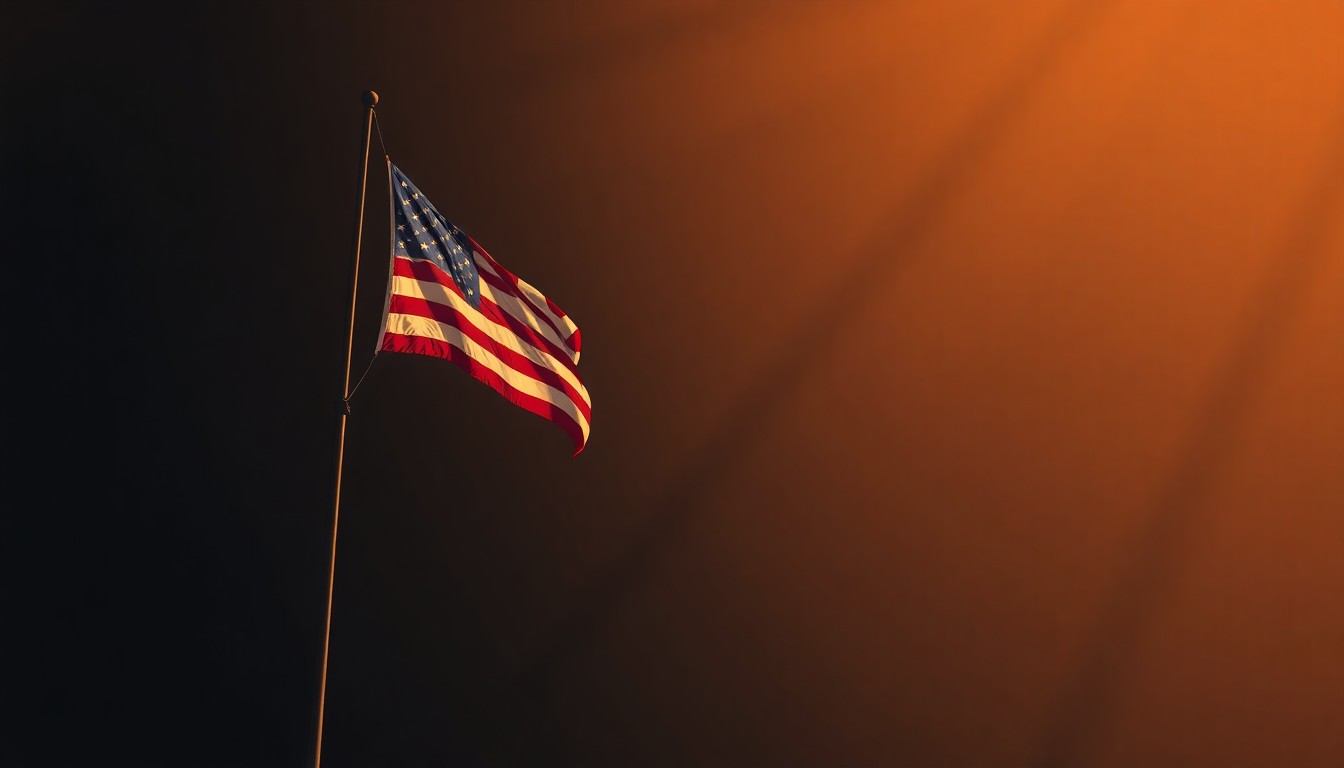 As democratic institutions falter, America's business leaders emerge as unlikely guardians of the nation's democratic values.Today in Birmingham
As U.S. democratic institutions struggle to hold the center, business leaders are being pulled into a leadership void, taking on roles as advocates, diplomats, community stewards, and truth-tellers to help fill the gap. CEOs are navigating complex political and social issues, from responding to federal actions that threaten voter rights to mending international trade relationships, as traditional centers of power retreat to the fringes.
Why it matters
The expanded responsibilities placed on American CEOs reflect the broader failure of democratic institutions to maintain credibility and trust. With Congress, the courts, and the media increasingly entangled in partisan divides, the private sector has become one of the few remaining sources of stability and continuity, forcing business leaders to take on democratic burdens they did not choose.
The details
Business leaders have responded to the moment in various ways, from persuading the president to lower tariffs to criticizing executive actions that resemble state capitalism. They have also become de facto ambassadors of American economic and democratic values, traversing the globe to mend relationships with foreign leaders. Domestically, CEOs have had to develop rapid response plans to address ICE activities and political attacks on legal immigrants, providing resources and support to affected communities.
- In March 2026, over 80 top CEOs convened at the Yale CEO Caucus to discuss pressing issues, with 80% believing the U.S. has become an unreliable trading partner due to tariffs.
- Three weeks ago, 60 mayors of large and medium-sized cities expressed concern that ICE or other federal agencies could be used to intimidate or suppress voters in the 2026 midterms.
The players
Todd Blanche
U.S. Deputy Attorney General who was appointed as acting Attorney General and has boasted about purging FBI agents who investigated President Trump.
Alexis de Tocqueville
French political philosopher and statesman who visited America in the 1830s and 1840s and recognized the essential role of business leaders in strengthening democracy.
Abraham Lincoln
The 16th President of the United States, who was supported by business leaders nationwide in the effort to preserve the Union and combat slavery.
Martin Luther King Jr.
The civil rights leader who recognized the societal power of business leadership to enhance the Civil Rights Movement.
Andrew Young
A lieutenant of Martin Luther King Jr. who was directed by King to engage with business leaders in the Civil Rights Movement, later becoming Atlanta's first Black mayor and the United States Ambassador to the United Nations.
What they’re saying
“I almost trust business more than the church, politics, or anything else I do...There is more freedom, and there is more courage in our free enterprise system, and there is a capacity to rise from all kinds of need.”
— Andrew Young, Civil Rights Leader and Former Atlanta Mayor
What’s next
The judge in the case will decide on Tuesday whether or not to allow Walker Reed Quinn out on bail.
The takeaway
This case highlights growing concerns in the community about repeat offenders released on bail, raising questions about bail reform, public safety on SF streets, and if any special laws to govern autonomous vehicles in residential and commercial areas.
Birmingham top stories



Birmingham events


Apr. 7, 2026
Remember Sports (18+ Event)
Apr. 8, 2026
Mariah the Scientist: HEARTS SOLD SEPARATELY TOUR