- Today
- Holidays
- Birthdays
- Reminders
- Cities
- Atlanta
- Austin
- Baltimore
- Berwyn
- Beverly Hills
- Birmingham
- Boston
- Brooklyn
- Buffalo
- Charlotte
- Chicago
- Cincinnati
- Cleveland
- Columbus
- Dallas
- Denver
- Detroit
- Fort Worth
- Houston
- Indianapolis
- Knoxville
- Las Vegas
- Los Angeles
- Louisville
- Madison
- Memphis
- Miami
- Milwaukee
- Minneapolis
- Nashville
- New Orleans
- New York
- Omaha
- Orlando
- Philadelphia
- Phoenix
- Pittsburgh
- Portland
- Raleigh
- Richmond
- Rutherford
- Sacramento
- Salt Lake City
- San Antonio
- San Diego
- San Francisco
- San Jose
- Seattle
- Tampa
- Tucson
- Washington
Whole Blood Transfusion No Better Than Standard Care for Trauma Patients
Prehospital use of whole blood did not reduce mortality or need for massive transfusion compared to standard blood component therapy.
Apr. 3, 2026 at 11:11am
Got story updates? Submit your updates here. ›
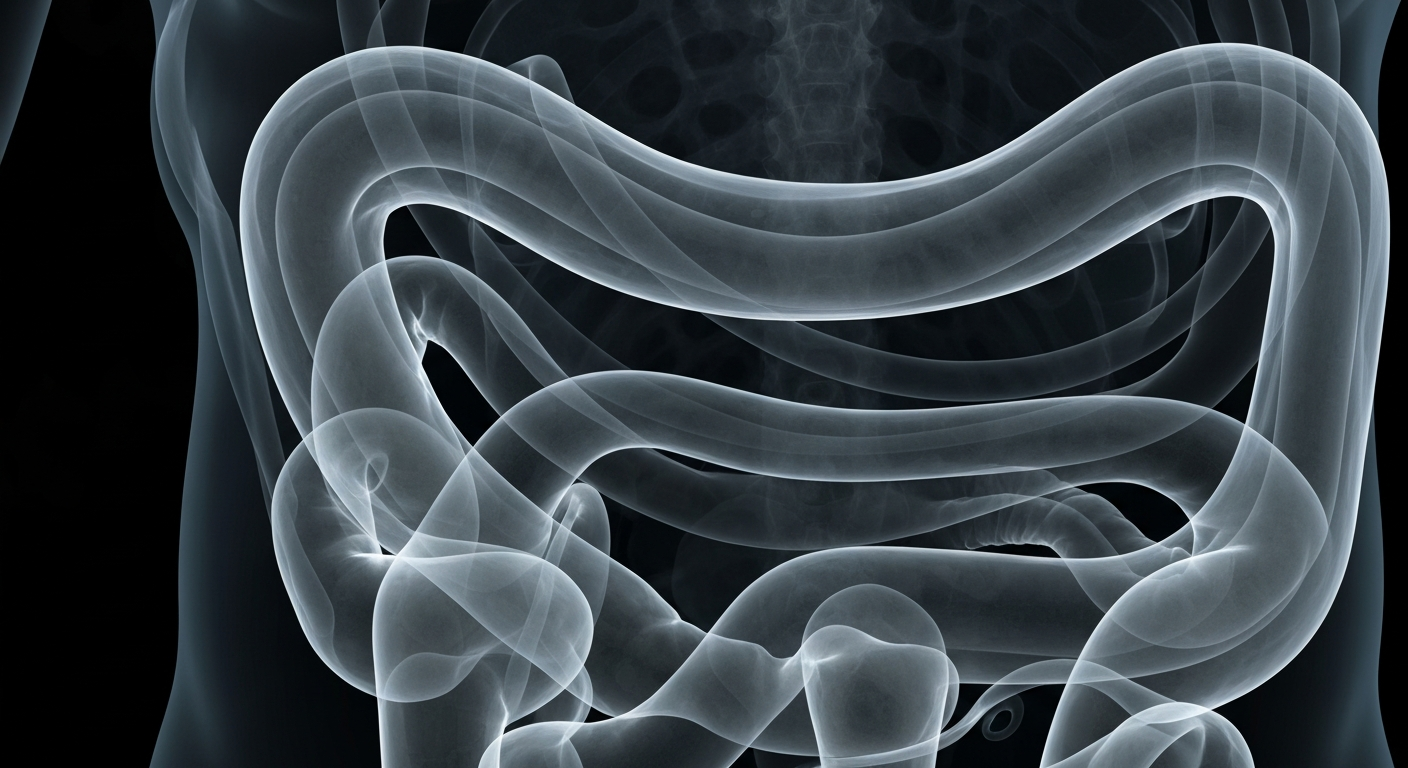
 An X-ray view of the human circulatory system highlights the critical role of blood transfusion in trauma care.Today in Birmingham
A large randomized trial found that prehospital transfusion of whole blood did not lower the risk of early death or massive transfusion within 24 hours compared to standard component therapy in patients with major traumatic hemorrhage. The study included 942 patients across 10 air ambulance services in England, with 616 included in the final analysis.
Why it matters
This trial provides important evidence to inform the use of whole blood in civilian prehospital trauma systems. Decisions about adopting whole blood must balance its logistical advantages against supply constraints, cost, and overall blood product availability.
The details
Researchers conducted a pragmatic, phase 3, multicenter, unblinded, randomized superiority trial. Participants were randomly assigned to receive either whole blood transfusion (up to two units) or standard care with blood components (up to two units each of red cells and plasma) before arrival at the hospital. The primary outcome was a composite of death from any cause or receipt of a massive transfusion (at least 10 units of blood components or products) within 24 hours. More patients in the whole blood group had a prothrombin time above the normal range compared to standard care.
- The study was conducted from 2022 to 2024.
- Patients were followed up for 90 days.
The players
Jason E. Smith, MD
The study was led by Jason E. Smith, MD, from the Royal Centre for Defence Medicine in Birmingham, England.
NHS Blood and Transplant
NHS Blood and Transplant provided support for the study and all blood components.
What they’re saying
“This trial provides key evidence to inform the use of whole blood within civilian prehospital trauma systems. Decisions about adopting the use of whole blood must balance logistic advantages against supply constraints, cost, and the overall availability of blood.”
— Jason E. Smith, MD, Study Author
The takeaway
This large, pragmatic trial found no superiority of prehospital whole blood transfusion over standard blood component therapy for trauma patients with major hemorrhage, providing important evidence to guide decisions about the use of whole blood in civilian emergency medical services.