- Today
- Holidays
- Birthdays
- Reminders
- Cities
- Atlanta
- Austin
- Baltimore
- Berwyn
- Beverly Hills
- Birmingham
- Boston
- Brooklyn
- Buffalo
- Charlotte
- Chicago
- Cincinnati
- Cleveland
- Columbus
- Dallas
- Denver
- Detroit
- Fort Worth
- Houston
- Indianapolis
- Knoxville
- Las Vegas
- Los Angeles
- Louisville
- Madison
- Memphis
- Miami
- Milwaukee
- Minneapolis
- Nashville
- New Orleans
- New York
- Omaha
- Orlando
- Philadelphia
- Phoenix
- Pittsburgh
- Portland
- Raleigh
- Richmond
- Rutherford
- Sacramento
- Salt Lake City
- San Antonio
- San Diego
- San Francisco
- San Jose
- Seattle
- Tampa
- Tucson
- Washington
Brain Scan Reveals Cause of Persistent Jaw Pain
College senior's years-long medical mystery finally solved with advanced imaging
Apr. 11, 2026 at 11:19am
Got story updates? Submit your updates here. ›
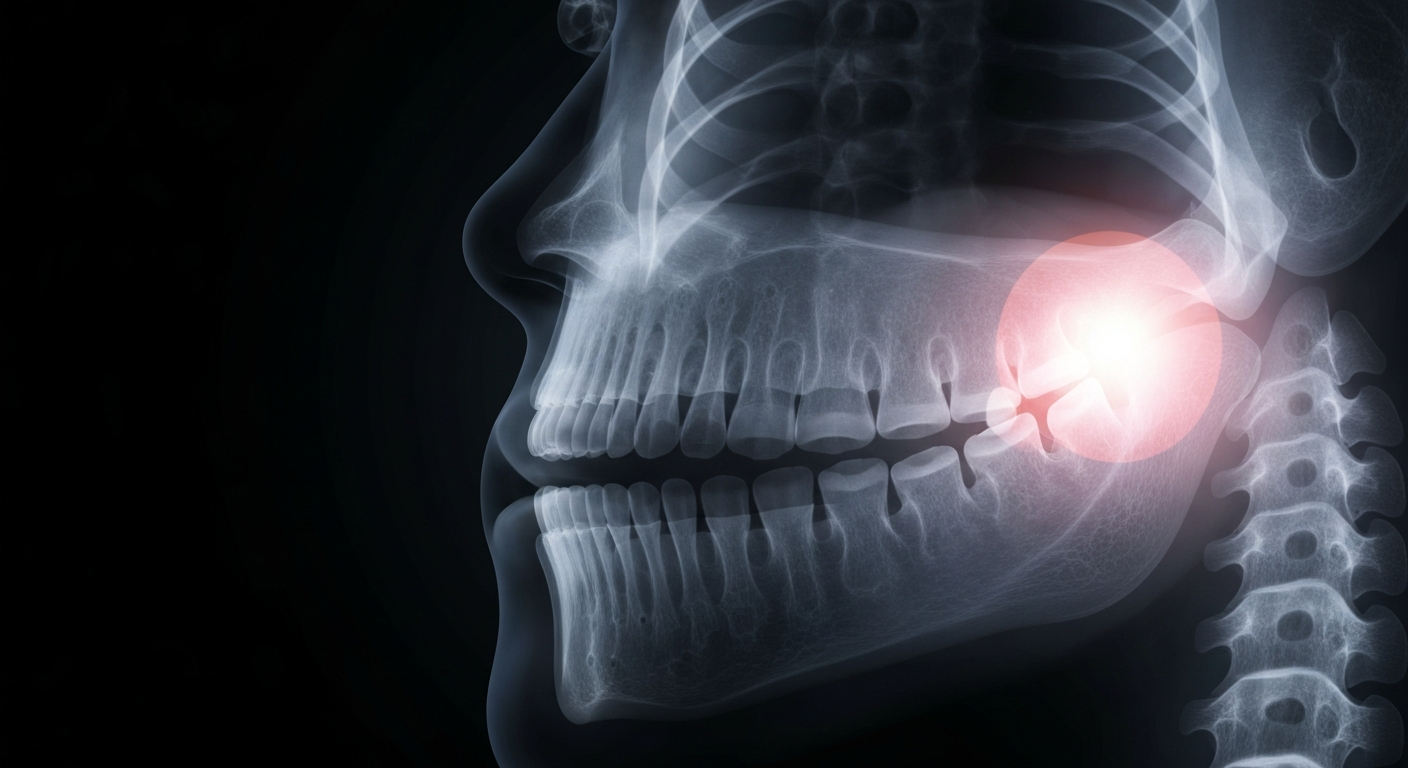 A brain scan provided the key to unlocking the medical mystery behind a college student's persistent jaw pain, highlighting the importance of thorough investigation.Auburn Today
Annie Sedoric, a college senior, experienced persistent jaw pain starting in March 2020 during the initial waves of the COVID-19 pandemic. For a long time, the cause of her pain was misattributed to stress, until a brain scan finally provided the answers she had been seeking.
Why it matters
This story highlights the importance of thorough medical investigation and not dismissing persistent pain as simply being caused by stress. It underscores how advanced imaging can uncover underlying conditions that may have been overlooked, leading to more effective treatment.
The details
Annie first experienced the jaw pain in March 2020, but tried to downplay the discomfort, hoping it would go away. However, the pain only intensified over time. For years, the cause of Annie's pain was misattributed to stress, until a brain scan eventually revealed the true underlying issue.
- Annie first experienced jaw pain in March 2020.
- The pain persisted and intensified over the following years.
The players
Annie Sedoric
A college senior who experienced persistent jaw pain for years before a brain scan revealed the true cause.
What’s next
The article does not mention any specific next steps, as the key focus is on the resolution of Annie's long-standing medical mystery through the brain scan.
The takeaway
This case highlights the need for doctors to thoroughly investigate persistent physical symptoms, rather than quickly attributing them to stress or other convenient explanations. Advanced imaging can play a crucial role in uncovering underlying conditions that may have been overlooked.
Auburn top stories


Auburn events

Apr. 11, 2026
Auburn Tigers Softball vs. Alabama Crimson Tide Softball
Apr. 12, 2026
Auburn Tigers Softball vs. Alabama Crimson Tide Softball