- Today
- Holidays
- Birthdays
- Reminders
- Cities
- Atlanta
- Austin
- Baltimore
- Berwyn
- Beverly Hills
- Birmingham
- Boston
- Brooklyn
- Buffalo
- Charlotte
- Chicago
- Cincinnati
- Cleveland
- Columbus
- Dallas
- Denver
- Detroit
- Fort Worth
- Houston
- Indianapolis
- Knoxville
- Las Vegas
- Los Angeles
- Louisville
- Madison
- Memphis
- Miami
- Milwaukee
- Minneapolis
- Nashville
- New Orleans
- New York
- Omaha
- Orlando
- Philadelphia
- Phoenix
- Pittsburgh
- Portland
- Raleigh
- Richmond
- Rutherford
- Sacramento
- Salt Lake City
- San Antonio
- San Diego
- San Francisco
- San Jose
- Seattle
- Tampa
- Tucson
- Washington
Fairbanks Today
By the People, for the People
Geomagnetic Storm Brings Chance to See Northern Lights in 16 States
The natural phenomenon may be viewable in the late-night hours of Tuesday, March 31, into the early morning of Wednesday, April 1.
Mar. 31, 2026 at 5:35pm
Got story updates? Submit your updates here. ›
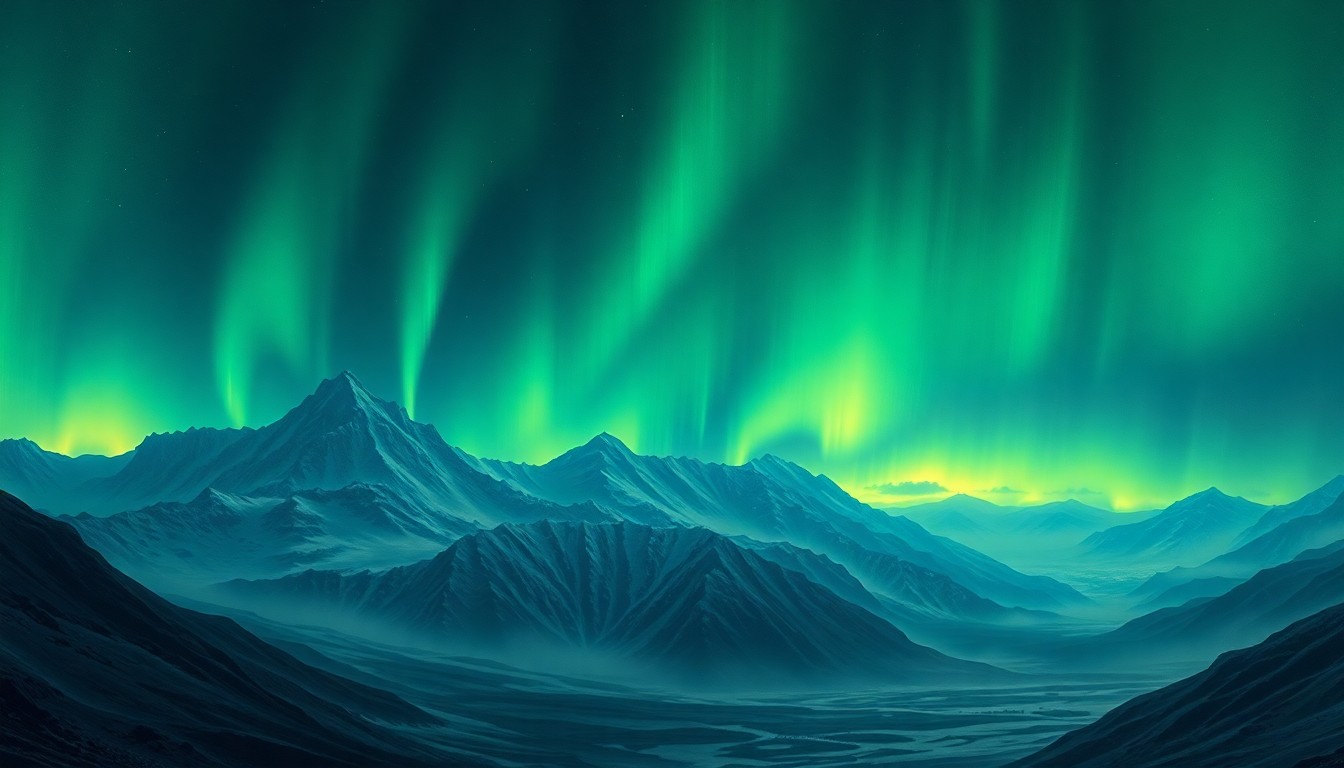 The northern lights' ethereal glow casts an otherworldly spell over the remote landscape, drawing the eye towards the heavens.Fairbanks Today
A geomagnetic storm is expected to bring a chance of viewing the northern lights to northern and upper Midwest states from New York to Idaho as March gives way to April. The space weather prediction center issued the storm watch early Monday after a 'fairly fast coronal mass ejection' was detected on March 29, which could reach and impact Earth with elevated geomagnetic response.
Why it matters
The northern lights, or aurora borealis, are a stunning natural phenomenon that occurs when electrically charged particles from the sun interact with gases in Earth's atmosphere. While the magnetic field usually protects the Earth from solar winds, stronger winds can bypass the field and generate the colorful displays. This geomagnetic storm provides a rare opportunity for residents in over a dozen states to potentially witness the mesmerizing lights.
The details
According to the National Oceanic and Atmospheric Administration's Space Weather Prediction Center, the best times to view the northern lights are generally between 10 p.m. and 2 a.m. local time, though this can vary by location. The intensity of the display will depend on whether the geomagnetic storm reaches a G1 to G2 (mild to moderate) or G3 (strong) level. States that could catch a glimpse of the aurora borealis include New York, Pennsylvania, Ohio, Michigan, Indiana, Illinois, Wisconsin, Minnesota, Iowa, Missouri, North Dakota, South Dakota, Nebraska, Kansas, Colorado, and Idaho.
- The geomagnetic storm is expected to bring the northern lights display starting in the late-night hours of Tuesday, March 31.
- The best viewing times are generally between 10 p.m. and 2 a.m. local time on March 31 and April 1.
The players
National Oceanic and Atmospheric Administration (NOAA)
The federal agency that monitors and predicts weather and climate, including space weather events like geomagnetic storms.
NOAA's Space Weather Prediction Center
The division of NOAA responsible for monitoring and forecasting space weather, including the potential for northern lights displays.
What they’re saying
“A CME is anticipated to reach and impact Earth with elevated geomagnetic response and dependent upon the orientation of the embedded magnetic field.”
— NOAA
What’s next
NOAA's Aurora Dashboard will provide more up-to-date forecasts and viewing information as the geomagnetic storm approaches.
The takeaway
This geomagnetic storm presents a rare opportunity for residents in over a dozen states to witness the stunning natural light display of the northern lights. By following NOAA's guidance and finding a dark location with a clear northern horizon, stargazers may be able to catch a glimpse of the mesmerizing aurora borealis.
Fairbanks top stories

Fairbanks events

Apr. 3, 2026
Fairbanks Ice Dogs vs. Wisconsin Windigo
Apr. 4, 2026
Fairbanks Ice Dogs vs. Wisconsin Windigo