- Today
- Holidays
- Birthdays
- Reminders
- Cities
- Atlanta
- Austin
- Baltimore
- Berwyn
- Beverly Hills
- Birmingham
- Boston
- Brooklyn
- Buffalo
- Charlotte
- Chicago
- Cincinnati
- Cleveland
- Columbus
- Dallas
- Denver
- Detroit
- Fort Worth
- Houston
- Indianapolis
- Knoxville
- Las Vegas
- Los Angeles
- Louisville
- Madison
- Memphis
- Miami
- Milwaukee
- Minneapolis
- Nashville
- New Orleans
- New York
- Omaha
- Orlando
- Philadelphia
- Phoenix
- Pittsburgh
- Portland
- Raleigh
- Richmond
- Rutherford
- Sacramento
- Salt Lake City
- San Antonio
- San Diego
- San Francisco
- San Jose
- Seattle
- Tampa
- Tucson
- Washington
Finland Opens World's First Nuclear Waste Burial Facility
Onkalo facility set to begin operations, marking a major milestone in nuclear waste management.
Apr. 10, 2026 at 3:53am
Got story updates? Submit your updates here. ›
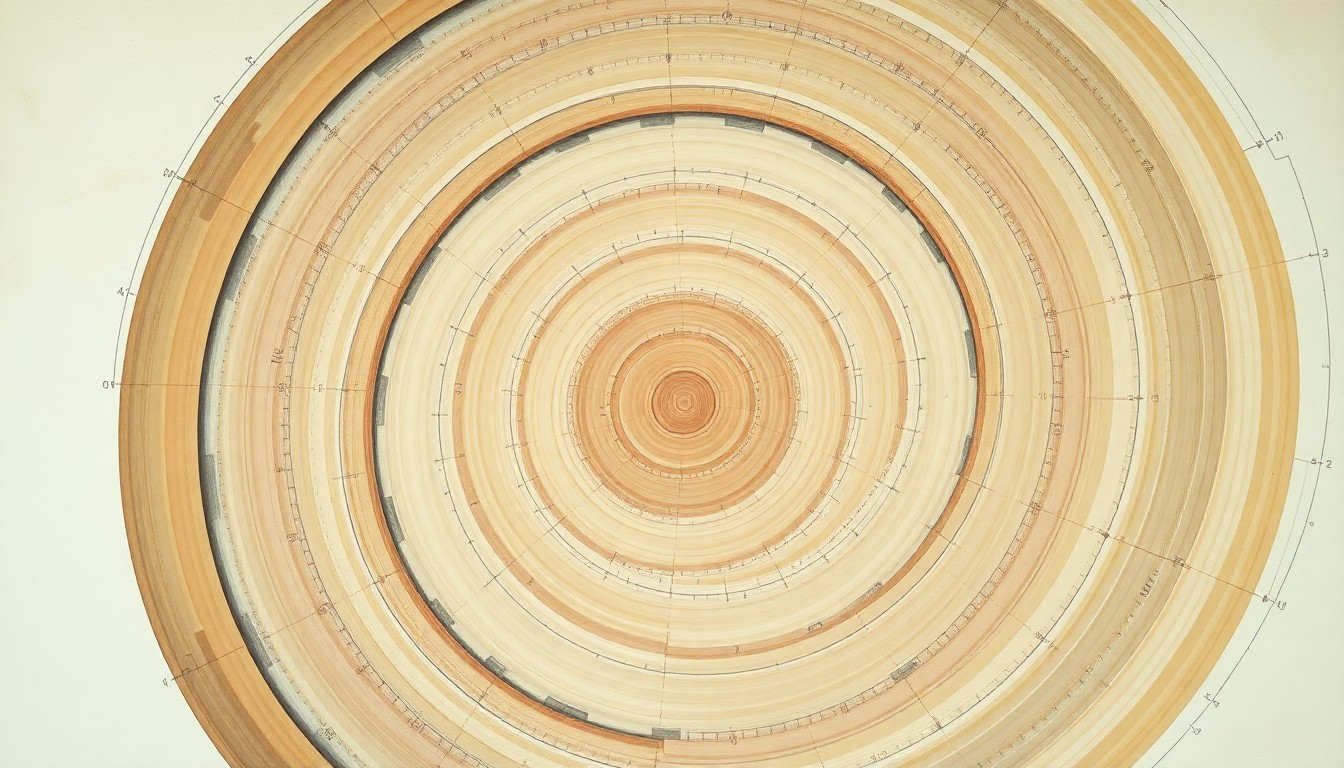 The Onkalo facility in Finland represents a groundbreaking approach to the long-standing challenge of safely disposing of nuclear waste, with its innovative underground storage system designed to isolate hazardous materials for centuries.Anchorage Today
Finland is set to open the world's first permanent underground nuclear waste disposal facility, known as Onkalo, located on the island of Olkiluoto. The €1 billion facility, which has been under construction since 2004, will bury radioactive waste 400 meters below the surface in a network of tunnels packed with water-absorbing clay. This innovative approach aims to isolate the hazardous materials from the environment for hundreds of thousands of years.
Why it matters
The successful operation of Onkalo could pave the way for other countries to adopt similar long-term solutions for nuclear waste disposal, addressing a critical environmental challenge that has long eluded the global community. However, the risks associated with nuclear waste management remain significant, particularly for future generations.
The details
The disposal process at Onkalo involves sealing radioactive rods in copper canisters and burying them deep underground in the tunnels. This method is designed to prevent the waste from interacting with the environment and human activities. The facility is expected to operate until the 2120s, providing a long-term solution to the nuclear waste problem.
- Construction on the Onkalo facility began in 2004.
- The facility is set to commence operations in 2026.
The players
Posiva Oy
The company responsible for managing Finland's nuclear waste and overseeing the construction and operation of the Onkalo facility.
Edwin Lyman
The director of nuclear power safety at the Union of Concerned Scientists, who emphasizes the risks associated with underground nuclear waste storage.
Sari Multala
Finland's environment minister, who acknowledges the potential for accepting limited amounts of nuclear waste from other countries.
What they’re saying
“While underground storage is safer than above-ground storage, it is not without risks. The risks are particularly significant for future generations, as the waste remains hazardous for hundreds of thousands of years.”
— Edwin Lyman, Director of nuclear power safety, Union of Concerned Scientists
“We must develop warning signs that can be understood by humans in the distant future, a task that nuclear semiotics is currently undertaking.”
— Edwin Lyman, Director of nuclear power safety, Union of Concerned Scientists
What’s next
The successful operation of the Onkalo facility could lead to increased international cooperation and the sharing of best practices in nuclear waste management, as countries seek to address this complex global challenge.
The takeaway
The development of the Onkalo facility in Finland represents a significant milestone in the quest for safe and sustainable nuclear waste disposal. While challenges and uncertainties remain, this innovative approach could serve as a model for other nations seeking to mitigate the long-term risks associated with radioactive waste.