- Today
- Holidays
- Birthdays
- Reminders
- Cities
- Atlanta
- Austin
- Baltimore
- Berwyn
- Beverly Hills
- Birmingham
- Boston
- Brooklyn
- Buffalo
- Charlotte
- Chicago
- Cincinnati
- Cleveland
- Columbus
- Dallas
- Denver
- Detroit
- Fort Worth
- Houston
- Indianapolis
- Knoxville
- Las Vegas
- Los Angeles
- Louisville
- Madison
- Memphis
- Miami
- Milwaukee
- Minneapolis
- Nashville
- New Orleans
- New York
- Omaha
- Orlando
- Philadelphia
- Phoenix
- Pittsburgh
- Portland
- Raleigh
- Richmond
- Rutherford
- Sacramento
- Salt Lake City
- San Antonio
- San Diego
- San Francisco
- San Jose
- Seattle
- Tampa
- Tucson
- Washington
Opinion: Organ donation is the communal need that serves a greater good
The donation is recognition that even in our death, we can provide for the village that sustained us.
Apr. 9, 2026 at 2:37pm
Got story updates? Submit your updates here. ›
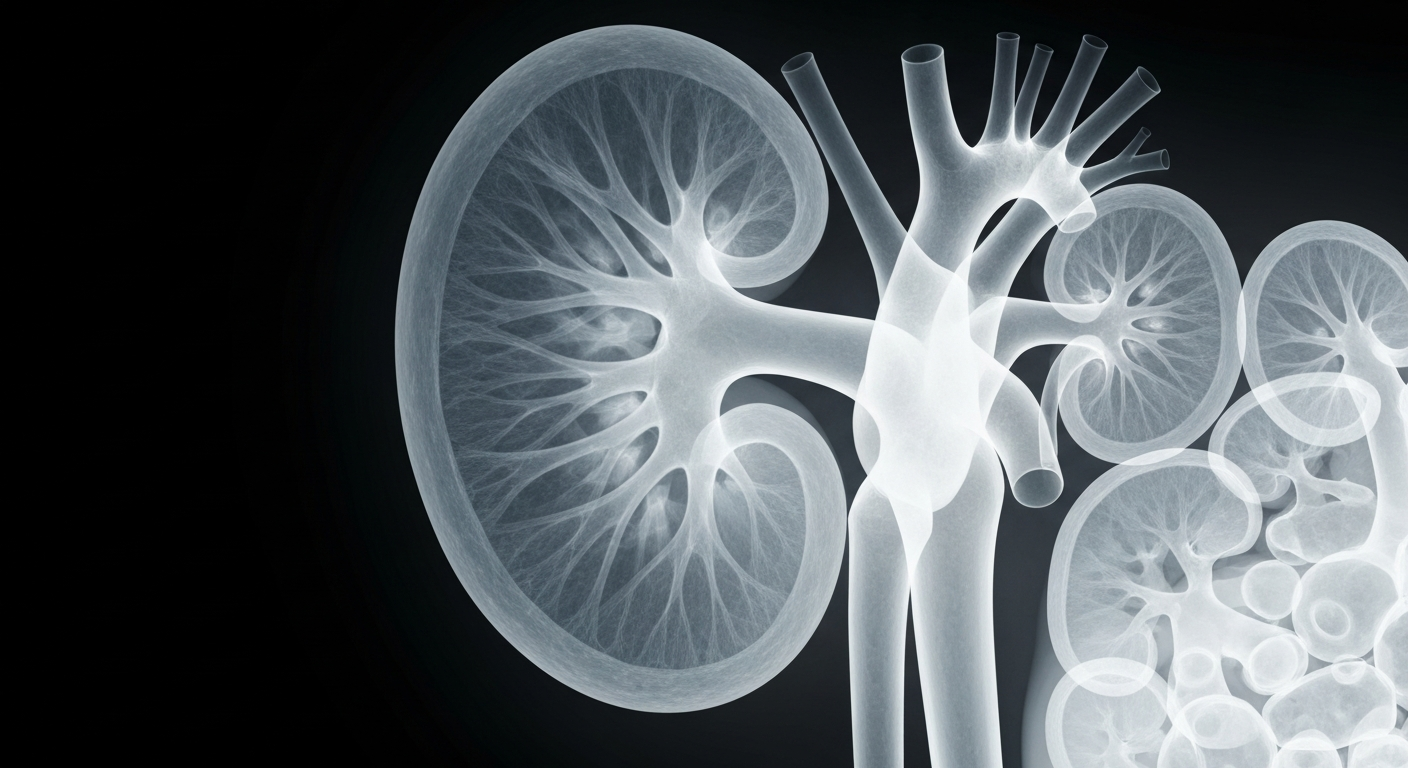 An organ donation can provide the gift of life, extending the legacy of the donor and easing the grief of their loved ones.Anchorage Today
In this opinion piece, Joshua Qagmuk Ahsoak, an Inupiaq senior staff attorney for the Alaska Native Justice Center and board member of LifeCenter Northwest, discusses the importance of organ donation and how it is a profound act of compassion that provides a roadmap for navigating the darkest hours for families. Ahsoak shares his personal experience with his uncle's life being extended by an organ donor and how organ donation is a reflection of the Alaskan spirit of giving back to the community.
Why it matters
Organ donation is a critical issue that can save lives, but many people are hesitant to discuss it or make their wishes known. This op-ed aims to destigmatize the topic and encourage more Alaskans to register as organ donors, which can provide clarity and comfort to grieving families.
The details
Ahsoak observes the impacts of organ donation through his work on the board of LifeCenter Northwest, the nonprofit organ procurement organization in Alaska. He shares the story of his Uncle Tony, who received a kidney transplant that gave him an extra 20 years of life. Ahsoak draws parallels between organ donation and traditional Alaskan subsistence practices of sharing resources within the community, stating that organ donation is "the ultimate expression of this reciprocity." He also notes that while some may feel hesitant at first, most Alaskans view saving a life through organ donation as a moral obligation.
- April is National Donate Life Month, when Ahsoak and LifeCenter Northwest are encouraging everyone to register as an organ and tissue donor.
The players
Joshua Qagmuk Ahsoak
An Inupiaq senior staff attorney for the Alaska Native Justice Center and a board member of LifeCenter Northwest, the nonprofit organ procurement organization in Alaska.
Uncle Tony
Ahsoak's uncle who received a kidney transplant that gave him an extra 20 years of life.
LifeCenter Northwest
The nonprofit organ procurement organization that makes organ donation possible in Alaska.
What they’re saying
“Registering as an organ donor is one of the most powerful ways to define your legacy. It is a profound act of compassion that provides your loved ones with a roadmap for navigating their darkest hours.”
— Joshua Qagmuk Ahsoak, Inupiaq senior staff attorney, Alaska Native Justice Center; board member, LifeCenter Northwest
“The spirit of giving is inherently Alaskan. In the Alaska Native community, we follow traditional subsistence practices. If you catch 30 salmon, you don't hoard them for yourself. You fill your friend's cooler and your neighbor's freezer and keep going until everyone has something. If you only take from without giving back, the community eventually ceases to exist. Organ donation is the ultimate expression of this reciprocity.”
— Joshua Qagmuk Ahsoak, Inupiaq senior staff attorney, Alaska Native Justice Center; board member, LifeCenter Northwest
What’s next
During National Donate Life Month in April, Ahsoak and LifeCenter Northwest are encouraging everyone to register their decision to be an organ and tissue donor.
The takeaway
This op-ed highlights the profound impact organ donation can have, both on recipients and their loved ones. By destigmatizing the topic and drawing parallels to Alaskan cultural values of community and reciprocity, Ahsoak aims to inspire more Alaskans to consider becoming organ donors and have those important conversations with their families.