- Today
- Holidays
- Birthdays
- Reminders
- Cities
- Atlanta
- Austin
- Baltimore
- Berwyn
- Beverly Hills
- Birmingham
- Boston
- Brooklyn
- Buffalo
- Charlotte
- Chicago
- Cincinnati
- Cleveland
- Columbus
- Dallas
- Denver
- Detroit
- Fort Worth
- Houston
- Indianapolis
- Knoxville
- Las Vegas
- Los Angeles
- Louisville
- Madison
- Memphis
- Miami
- Milwaukee
- Minneapolis
- Nashville
- New Orleans
- New York
- Omaha
- Orlando
- Philadelphia
- Phoenix
- Pittsburgh
- Portland
- Raleigh
- Richmond
- Rutherford
- Sacramento
- Salt Lake City
- San Antonio
- San Diego
- San Francisco
- San Jose
- Seattle
- Tampa
- Tucson
- Washington
When to Seek Emergency Care for Common Alaska Winter Injuries
Consult-A-Nurse helpline can guide Alaskans on whether to treat at home or visit the ER
Apr. 7, 2026 at 8:22pm
Got story updates? Submit your updates here. ›
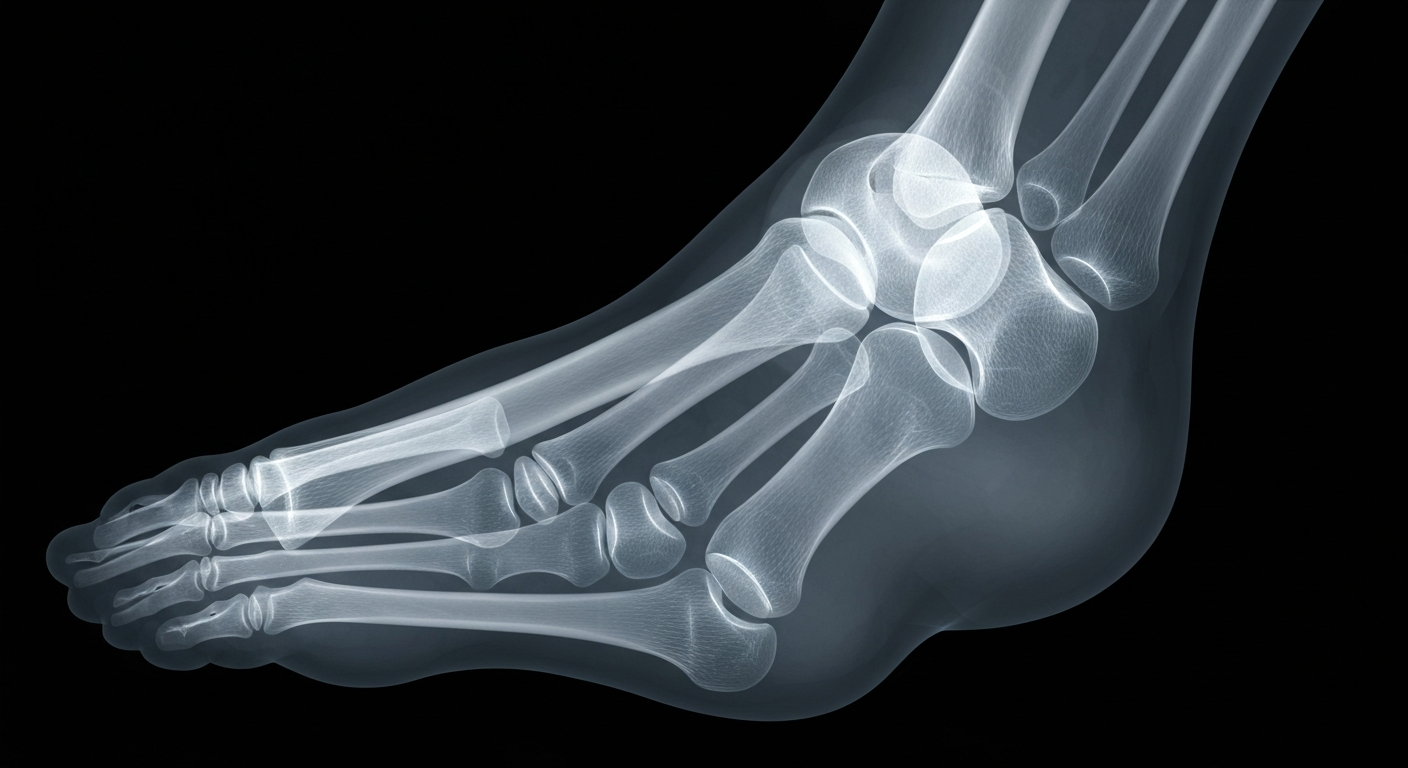 An X-ray view of a common Alaska winter injury, highlighting the complex anatomy that may require emergency medical attention.Anchorage Today
As Alaska transitions from winter to spring, the freeze-thaw cycle can lead to an increase in slip-and-fall injuries and other common winter accidents. Dr. David Scordino, medical director of Alaska Regional Hospital's emergency department, shares guidance on when to seek professional medical attention versus treating at home, and how the hospital's new Consult-A-Nurse helpline can help Alaskans determine the appropriate next steps.
Why it matters
With the unpredictable winter weather in Alaska, it's important for residents to understand when a seemingly minor injury may require emergency care to prevent long-term complications or dysfunction. The Consult-A-Nurse helpline provides a valuable resource for Alaskans to get professional medical guidance on whether to seek treatment.
The details
Alaska Regional Hospital's emergency department sees a range of winter-related injuries, from slip-and-fall incidents on icy roads to recreational accidents from skiing, snowboarding, and snowmachining. Dr. Scordino advises visiting the ER if experiencing intense pain, abdominal pain, lightheadedness, head injuries causing confusion, weakness or lack of sensation in an extremity, or back/neck injuries. The new Consult-A-Nurse helpline can also help determine if an injury requires urgent care or the emergency room.
- Alaska transitions from winter to spring in March and April, when the freeze-thaw cycle can create hazardous icy conditions.
The players
Dr. David Scordino
Medical director of Alaska Regional Hospital's emergency department.
Alaska Regional Hospital
A hospital in Alaska that has been fulfilling the medical needs of Alaskans since 1963.
What they’re saying
“Obviously, more people are walking than they are skiing, so we definitely see a lot more of the slips and falls, but we definitely get a fair number of people who still love to get out there and enjoy the outdoors.”
— Dr. David Scordino, Medical director of Alaska Regional Hospital's emergency department
“The body, injuries, and illnesses are all complex, and there's a lot of nuance. Simple answers aren't always easy to come by. Sometimes, it takes a conversation to actually give you a real answer. Consult-A-Nurse's purpose is to help guide you to the appropriate place and resource area.”
— Dr. David Scordino, Medical director of Alaska Regional Hospital's emergency department
What’s next
Alaska Regional Hospital's new Consult-A-Nurse helpline at (844) 706-8773 is available 24/7 to help Alaskans determine whether an injury requires emergency care or can be treated at home.
The takeaway
With the unpredictable winter weather in Alaska, it's crucial for residents to understand when a seemingly minor injury may require professional medical attention to prevent long-term complications. The Consult-A-Nurse helpline provides a valuable resource to guide Alaskans on the appropriate next steps for their injury.
Anchorage top stories


Anchorage events
Apr. 9, 2026
Thursday Night At The Fights